A common breastfeeding problem: mastitis
Bringing home a new baby is an exciting and life-changing experience. As you adjust to feeding schedules, sleep deprivation, and postpartum recovery, it's important to pay attention to your own health as well. One common breastfeeding challenge that many new mothers experience is mastitis—an inflammation of the breast tissue that can become painful and may require medical treatment.
At Alliance OB/GYN, we're here to support you through every stage of your postpartum journey. Knowing the signs of mastitis and seeking care early can help you recover quickly and continue breastfeeding comfortably.
What is mastitis?
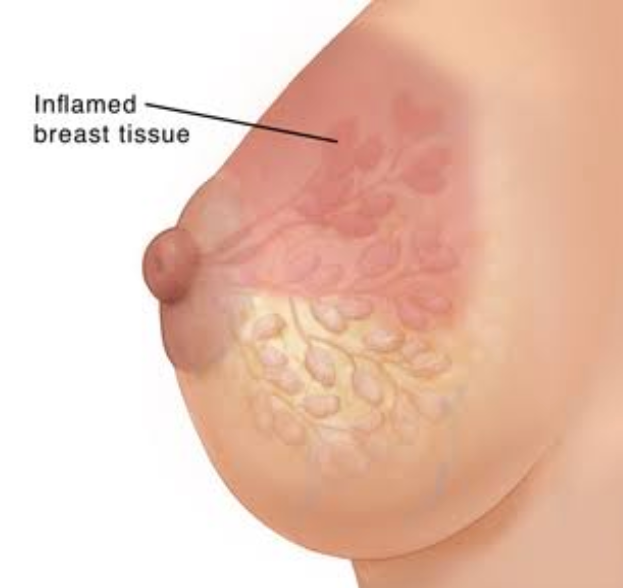
Mastitis is an inflammation of the breast tissue that most commonly occurs during the first several weeks after giving birth, although it can develop at any time while breastfeeding. It often begins when milk becomes trapped in the breast due to a clogged milk duct. If bacteria enter through a cracked or damaged nipple, an infection can develop. Mastitis typically affects one breast but can occasionally occur in both.
What are the signs and symptoms of mastitis?
Mastitis symptoms often develop suddenly and may include:
- breast pain or tenderness
- swelling or warmth in one area of the breast
- redness, sometimes in a wedge-shaped pattern
- a firm or painful lump
- fever of 100.4°F (38°C) or higher
- chills, body aches, or flu-like symptoms
- fatigue or feeling generally unwell
If you experience fever along with breast pain or redness, it's important to contact your healthcare provider promptly.
What causes mastitis?
Mastitis occurs when there is a stasis (lack of movement) in milk for a prolonged period of time. Because of the sugar in breastmilk, bacteria are attracted to it. Milk stasis occurs for a variety of reasons including:
- infrequent feedings or skipped nursing sessions
- poor latch or ineffective milk removal
- engorgement
- oversupply of breast milk
- cracked or sore nipples
- pressure on the breast from a tight bra or sleeping position
- previous episodes of mastitis
Keeping milk flowing regularly is one of the best ways to reduce your risk.
Should I continue to breastfeed if I have mastitis?
Yes! Continuing to breastfeed or pump is encouraged during mastitis. Emptying the breast regularly helps clear the blocked duct and promotes healing. Breast milk remains safe for your baby as the milk is not infected -- only the tissue surrounding it. If breastfeeding is painful, try starting feeds on the unaffected side first until your milk lets down, then switch to the affected breast. A lactation consultant can also help improve latch and positioning if needed.
How is mastitis treated?
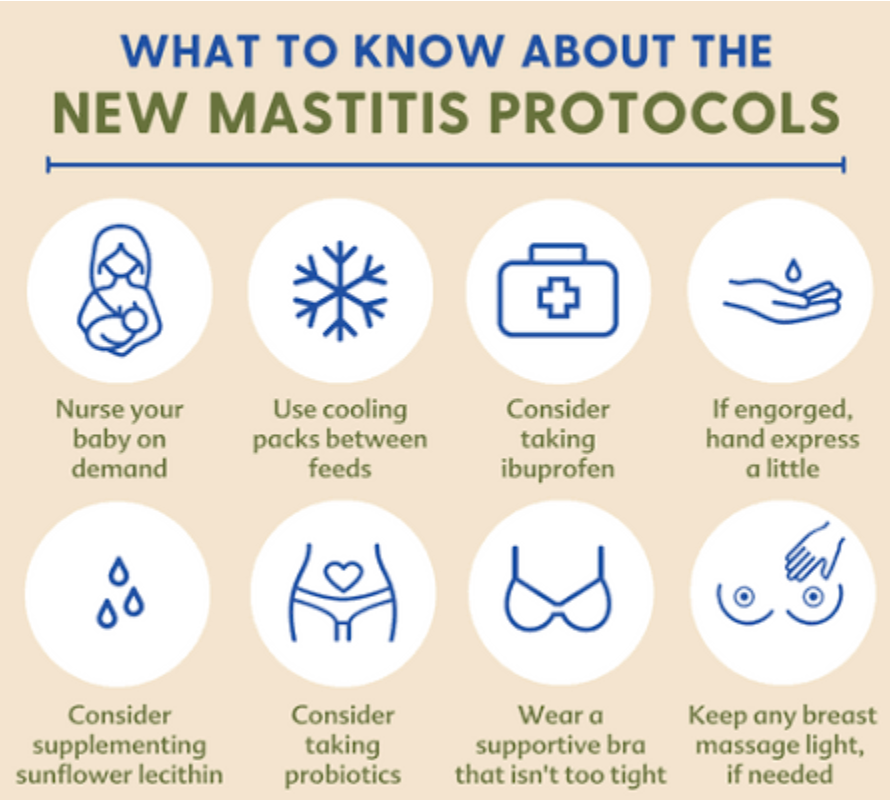
Treatment depends on the severity of your symptoms. For mild cases, you should do the following:
- continue to breastfeed or pump frequently
- apply warm compresses before nursing
- gently massaging the affected area while feeding
- stay well hydrated
- get as much rest as possible
- take ibuprofen or acetaminophen as directed to relieve pain and reduce inflammation
If symptoms persist for more than 24 hours, worsen quickly, or you develop a fever, antibiotics may be necessary. It's important to complete the full course of medication even if you begin feeling better after a few days.
At what point should I call my healthcare provider?
Contact your healthcare provider if you experience:
- fever of 100.4°F (38°C) or higher
- severe breast pain or rapidly spreading redness
- symptoms that do not improve within 24 to 48 hours
- a breast lump that does not resolve after treatment
- pus or unusual drainage from the nipple
- recurrent episodes of mastitis
In some cases, untreated mastitis can lead to a breast abscess, which may require drainage.
What can I do to prevent mastitis?
While mastitis cannot always be prevented, these strategies can lower your risk:
- breastfeed or pump regularly without skipping sessions
- make sure your baby has a deep, effective latch
- alternate breastfeeding positions to empty all areas of the breast
- avoid tight-fitting bras or clothing that puts pressure on the breasts
- treat cracked nipples promptly
- stay hydrated and prioritize rest whenever possible
We're here to support your postpartum recovery
Recovering from childbirth comes with many physical and emotional changes, and breastfeeding challenges can feel overwhelming. If you're experiencing breast pain, fever, or concerns about breastfeeding, don't wait to seek care. The team at Alliance Obstetrics & Gynecology Group, LLC is committed to providing compassionate postpartum care, helping you recover comfortably while supporting your breastfeeding goals. If you think you may have mastitis or have questions about your postpartum health, contact our office to schedule an appointment.
Remember... early treatment often leads to faster relief and helps prevent complications, allowing you to focus on what matters most—caring for yourself and your new baby.